The best Txakoli wineries near San Sebastian offer much more than a simple wine tasting. Just a short drive from the city, the green hills of Getaria, Zarautz, Aia, and Hondarribia are covered with coastal vineyards where Hondarrabi Zuri grapes grow under the influence of the Atlantic. Visiting a txakoli winery is one of the best ways to understand this distinctive Basque white wine, while also discovering the landscapes, local food, and family traditions that have shaped it for generations.
Each area offers a slightly different experience. In Getaria, you can visit historic producers surrounded by vineyards overlooking the Cantabrian Sea; near Zarautz and Aia, smaller estates combine countryside and coastal scenery; while Hondarribia is ideal if you want to pair txakoli wine with excellent Basque gastronomy and sightseeing. In this guide, we’ll compare the best Txakoli wineries to visit, explain what makes each one special, and help you choose the right experience from San Sebastian.
If you would rather leave the driving and planning to a local expert, our winery tours from san sebastian are designed to combine winery visits, tastings, local food, and the scenery of the Basque Country in a relaxed private or small-group experience.
Why Visit a Txakoli Winery Near San Sebastian?
A txakoli winery visit is one of the easiest ways to experience the countryside without traveling far from San Sebastian. The vineyards of Gipuzkoa are closely connected to the Atlantic coast, small fishing towns, and a food culture where wine rarely appears without something good to eat alongside it.
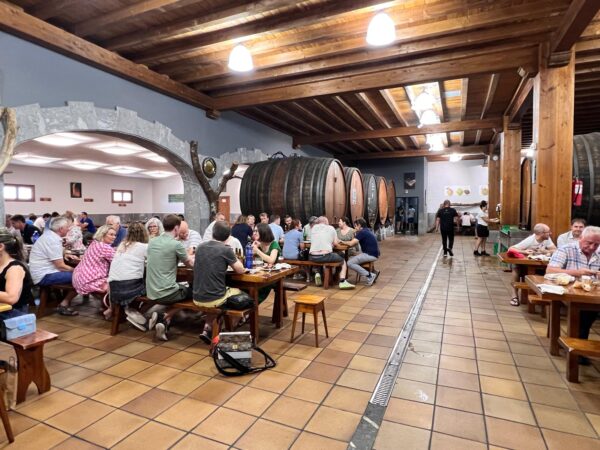
What makes the experience particularly interesting is that many producers remain closely tied to their land and local traditions. A guided tour normally takes you beyond the tasting room, introducing the vineyards, the grape varieties, and the process used to produce txakoli before finishing with a tasting. Depending on the winery, that may also include anchovies, bonito, cheese, or another local bite.
For travelers who have already explored the pintxo bars in San Sebastian, visiting the vineyards adds another layer to the story. You begin to understand where the wine on the bar counter comes from, why it tastes the way it does, and why txakoli has become such an important part of the Basque gastronomic identity.
Coastal vineyards, Hondarrabi Zuri and Basque food
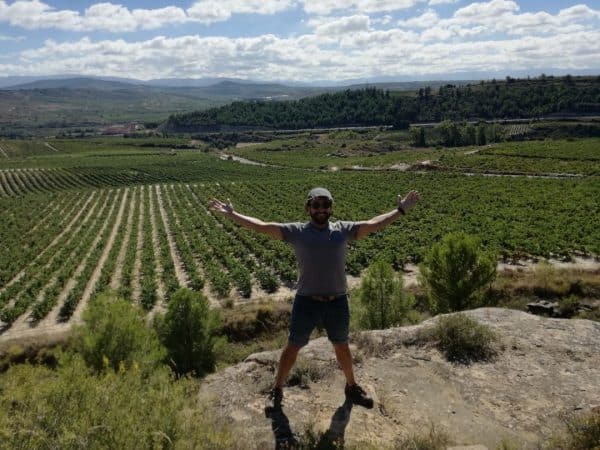
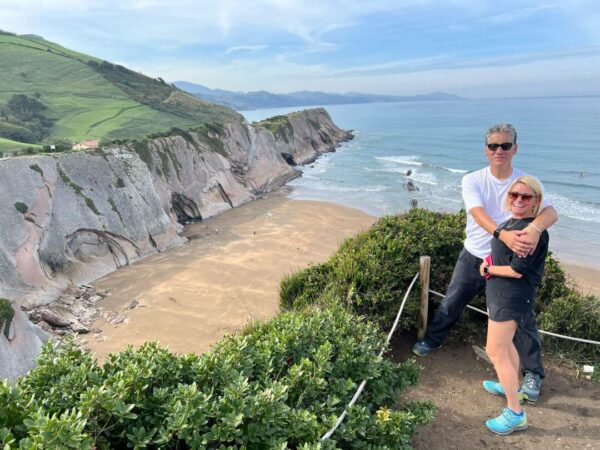
The landscape is a big part of the appeal. Around Getaria, Zarautz, Aia, and Hondarribia, vineyards spread across green hills influenced by the Atlantic climate. This proximity to the sea is one of the defining features of the region and gives a txakoli wine tour a very different atmosphere from visits to inland wine regions.
The principal grape is Hondarrabi Zuri, used to produce the fresh white wine most visitors associate with Getariako Txakolina. Typical descriptions include citrus, green apple, herbal, and floral notes, with lively acidity that makes the wine especially suited to seafood and other Basque dishes.
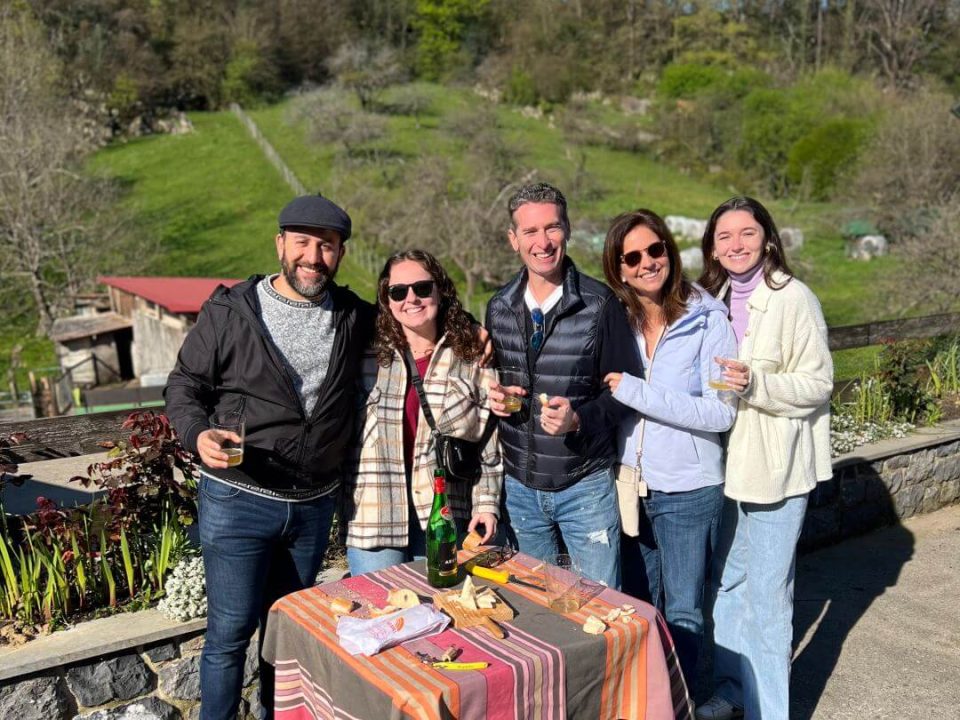
That relationship between wine and food is worth keeping in mind when choosing a winery. Txakoli traditionally works particularly well with anchovies, bonito, fish, shellfish, pintxos, and local cheeses. Several wineries incorporate small food pairings into their visits, turning a tasting into a broader introduction to the flavors of the Basque Country.
Best Txakoli Wineries Near San Sebastian at a Glance
The wineries below offer different interpretations of the same coastal wine culture. Some are deeply rooted in Getaria’s winemaking tradition; others focus more heavily on gastronomy, landscape, sustainability, or a contemporary style.
| Winery | Area | Best for | What stands out |
| Txomin Etxaniz | Getaria | Classic experience | Historic family character, coastal setting and traditional txakoli |
| Ameztoi | Getaria | Sea views | Family estate, vineyards and coastal scenery |
| Gaintza | Getaria | Intimate experience | Vineyard visit, production tour and tastings with local products |
| Hiruzta | Hondarribia | Gastronomy | Winery, vineyard, tasting, restaurant and Jaizkibel setting |
| Rezabal | Zarautz | Zarautz visit | Sustainable viticulture and vineyard scenery |
| K5 | Aia | Contemporary style | Modern project, long lees aging and coastal views |
Rather than asking which winery is objectively “best,” it is more useful to decide what kind of day you want. For a first visit, Getaria is difficult to beat. For food, Hiruzta makes a strong case. For travelers interested in a more contemporary interpretation of txakoli wine, K5 offers a different perspective.
1. Txomin Etxaniz – Best for the Classic Getaria Experience
If your picture of a Basque winery involves green vineyards descending toward the sea, a fishing town nearby, and generations of local winemaking, Txomin Etxaniz is one of the clearest places to start.
Located in Getaria, the winery is repeatedly highlighted as one of the historic names associated with txakoli. Visits focus on the vineyards, cultivation, and the winemaking process, with the coastal location adding much of the atmosphere.
This is a particularly good choice for travelers who want to discover txakoli in the place most closely associated with its modern identity. Getaria is the historic heart of Getariako Txakolina, and combining a winery visit with time in the fishing village creates a much fuller experience than simply arriving for a tasting and leaving again.
After the tour, spend some time around the harbor or make lunch part of the day. Txakoli’s fresh acidity makes it a natural partner for the fish and seafood for which Getaria is known.
Best for: first-time visitors, traditional wine culture, and travelers who want to combine a winery with Getaria.
2. Ameztoi – Best for Coastal Vineyards and Sea Views
Ameztoi is another strong reason to make Getaria the focus of your txakoli day. The family estate is known for its vineyard setting and views, making it especially appealing if scenery is as important to you as the wine itself.
This is where the geography of txakoli becomes easy to understand. The vines, steep green slopes, and nearby Cantabrian Sea create a landscape that feels distinctly different from Spain’s better-known inland wine regions.
A visit here works especially well for travelers who want the winery experience to feel connected to the coast. Rather than treating the tasting as an isolated activity, make it part of a slower day around Getaria.
It is also a good reminder that txakoli wine is inseparable from its surroundings. The landscape, Atlantic influence, Hondarrabi Zuri, and local food traditions all contribute to the identity of the region.
Best for: coastal scenery, couples, photography, and a relaxed Getaria wine day.
3. Gaintza – Best for an Intimate Getaria Winery Experience
For travelers who prefer a more personal winery experience, Gaintza is another excellent option from Getaria.
The estate has a long family connection to viticulture, and the visit described in the source material takes guests through the vineyards and the production process before tasting several wines. Local products can also accompany the tasting.
That relatively simple formula is part of the appeal:
vineyards → winemaking → tasting → local food
You get to know the wine in its agricultural context rather than simply sampling a glass at the end.
Gaintza makes sense for travelers who are genuinely curious about how txakoli is made but do not necessarily want a large or highly polished tourism experience. It is the kind of stop that fits naturally into a day focused on Getaria and its surroundings.
Best for: Smaller scale visits, the curious wine drinker and travelers looking for a more personal experience.
4. Hiruzta – Best to combine gastronomy and txakoli
Hiruzta is one of the best txakoli wineries in the San Sebastian area, but the experience here is more than just wine.
Located in Hondarribia at the foot of Mount Jaizkibel, the family winery helped restore txakoli production in the town. A typical visit can combine vineyard time, a winery tour, tasting, and a local aperitif. The estate also has a restaurant and terrace.
That makes Hiruzta especially attractive if food is a major part of your trip.
You can learn about Hondarrabi Zuri, taste txakoli wines, and then continue the experience over lunch rather than immediately getting back into a vehicle. The setting also makes it easy to combine the winery with sightseeing in Hondarribia.
For visitors deciding between Getaria and Hondarribia, this distinction matters. Getaria offers perhaps the most classic txakoli landscape, while Hiruzta is particularly well suited to travelers who want to combine wine with gastronomy and a beautiful historic town.
Best for: food lovers, leisurely lunches, couples, and travelers combining a winery with Hondarribia.
5. Rezabal – Best Txakoli Winery Near Zarautz
Rezabal is an appealing choice if you want to explore the vineyards around Zarautz rather than concentrate exclusively on Getaria.
The winery is associated with sustainable viticulture and vineyards trained on trellises, and its tastings can be complemented by local food or a meal. Sources also emphasize the vineyard setting and sea views.
Zarautz offers a slightly different base for a txakoli excursion. You still have the combination of Atlantic scenery and vineyards, but the day can easily include the town, coast, and surrounding countryside.
Rezabal is therefore a good option if you want a wine tasting without building your whole excursion around Getaria. It also works nicely as part of a broader route through the western coast of Gipuzkoa.
Best for: Zarautz, sustainable viticulture, coastal countryside, and travelers who want an alternative to Getaria.
6. K5 – Best for a Contemporary Take on Txakoli
K5, in Aia, offers a more contemporary perspective on Basque wine.
The winery was founded by Karlos Arguiñano and several partners and works with around 15 hectares of vineyards according to the source material. Its K5 wine has also been associated with extended aging on the lees, illustrating how producers can push txakoli beyond the simplest image of a very young, lightly sparkling coastal wine.
The winery’s setting is another reason to visit. Views extend toward the coast and the port of Orio, combining modern winemaking with the green landscape that defines this part of Gipuzkoa.
Choose K5 if you already know the basic style of txakoli and want to know how producers are exploring more complex expressions of Hondarrabi Zuri.
It can also be an interesting contrast to a traditional Getaria producer. Visiting the two styles helps demonstrate that Basque wine is not frozen in tradition: producers continue to experiment while remaining closely connected to local grapes and terroir.
Best for: modern winemaking, experienced wine travelers, and visitors exploring Aia and Orio.
Which Txakoli Area Should You Visit from San Sebastian?
Choosing the winery is only half of the decision. The surrounding area can shape the day just as much as the tasting itself.
Three zones make particular sense near San Sebastian: Getaria, Zarautz/Aia, and Hondarribia.
Getaria: best for the classic txakoli experience
If you only have time for one txakoli area, Getaria is the obvious place to consider.
It is the historic center associated with Getariako Txakolina and is surrounded by vineyards producing primarily Hondarrabi Zuri. Several of the region’s most recognizable wineries are located here, including Txomin Etxaniz, Ameztoi, and Gaintza.
The advantage is not simply the number of wineries. Getaria also gives you one of the most complete combinations of wine and place.
A well-planned day can include vineyards, a guided tour, tasting, the old fishing town, the harbor, and a seafood lunch. That makes it one of the best choices for first-time visitors who want to understand txakoli without turning the day into a technical wine lesson.
Zarautz and Aia: wineries, countryside and coast
Zarautz and neighboring Aia work well for travelers who want a little more countryside while remaining close to the coast.
Rezabal represents the Zarautz side of the experience, while K5 offers a more contemporary option in Aia. The broader area combines vineyards with Atlantic scenery and easy access to coastal towns.
This part of the route is particularly attractive if you have already visited Getaria or simply prefer a less obvious itinerary. It can also work well on private wine tours where the route is adapted around scenery, food, and the interests of the group rather than following a fixed circuit.
Hondarribia: best for wine plus gastronomy and sightseeing
Hondarribia offers perhaps the most complete alternative to Getaria.
Hiruzta sits near Mount Jaizkibel and combines vineyards, wine, tasting, and restaurant facilities. The town itself adds another reason to make the journey, allowing visitors to combine the winery with sightseeing and lunch.
For travelers whose priority is gastronomy rather than visiting several producers, Hondarribia can be an excellent choice. You can experience the txakoli, enjoy local food, and still have time to explore the town without trying to squeeze too many stops into one day.
When Is the Best Time to Visit a Txakoli Winery?
There is no single perfect season, because the vineyards change throughout the year.
For travelers interested in seeing the vines at their greenest, the warmer months naturally create a particularly attractive landscape. Late summer can also bring a greater sense of activity in wine country as the growing season approaches its conclusion.
Harvest traditionally takes place around late September or early October in the Getaria area, although exact timing varies according to the year and conditions.
That can be a fascinating period to get to know the region, but it is also an especially busy moment for producers. Winery work comes first, so visitors should never assume that normal tour schedules will operate during harvest.
Spring and autumn can be excellent alternatives if you prefer quieter travel. Whatever the season, book the winery itself before building the rest of your itinerary around it.
Practical Tips for Visiting Txakoli Wineries from San Sebastian
A winery day looks simple on paper, but a little planning makes a significant difference.
Unlike stopping at a pintxo bar, you generally cannot assume that you can simply arrive at a producer whenever you want. These are working wineries, and visits are often organized around scheduled tours, tastings, production work, and the availability of staff.
It is also worth resisting the temptation to fit too many wineries into one day. For most visitors, one of the most enjoyable approaches is to combine one or two carefully chosen producers with lunch and time in a coastal town.
That gives you enough time to enjoy the wine, rather than spending most of the day moving between appointments.
Do you need to book in advance?
In most cases, you should plan to arrange your winery visit in advance.
The source material repeatedly presents visits as organized experiences involving vineyard tours, explanations of production, tastings, and sometimes food. Smaller wineries in particular may not operate like open-door tasting rooms.
Booking ahead also gives you the chance to confirm:
- whether an English-language guided tour is available;
- what the tasting includes;
- whether food is served;
- how long the visit lasts;
- whether children can join;
- and whether the winery can accommodate dietary requirements.
During harvest or other busy periods, advance planning becomes even more important.
Car, taxi or guided tour?
Driving yourself gives you maximum flexibility, especially if you want to combine a winery with nearby towns and coastal viewpoints. But it also creates an obvious problem: someone has to drink very little or not at all.
A taxi removes the driving issue for a single destination, although coordinating separate journeys can become less convenient if you plan to visit multiple locations.
A guided tour is usually the easiest option when you want the day to flow as one experience rather than a series of logistical decisions. Transportation, winery appointments, and the route can be coordinated in advance, leaving you free to focus on the vineyards, food, and tasting.
This is particularly useful for private or small-group wine tours, where a day can be built around your interests. You might focus entirely on Getaria, pair a winery with a long seafood lunch, or combine txakoli and Hondarribia instead of trying to see everything at once.
Ultimately, the best txakoli experience is not necessarily the one with the most wineries. It is the one that gives you enough time to understand the wine, enjoy the landscape, meet the people behind it, and experience the connection between vineyards and Basque food.
That connection is what makes txakoli wineries in the Basque coast worth visiting in the first place.