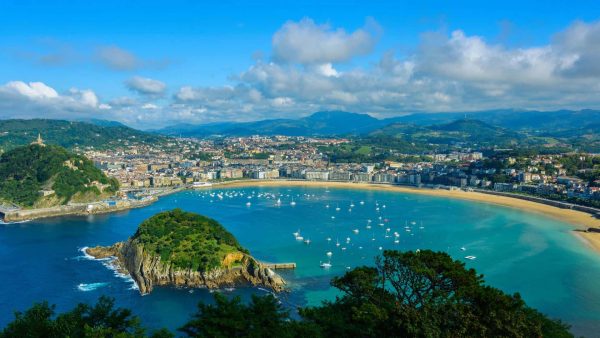
Best Time to Visit the Basque Country depends on what you want from the trip: long sunny days at the beach, quiet walks through a fishing town, a private food tour in San Sebastián, or a slow drive through the green hills between Spain and southwest France. In general, the best time is late spring and early fall, especially May, June, September, and October, when the weather is usually mild, the landscape is lush, and the biggest summer crowds have eased.
That said, the Basque Country is a wonderful year-round destination. Summer brings a lively, festive atmosphere, winter is perfect for pintxos, markets, museums, and cozy restaurants, and autumn adds harvest season colors to the countryside and nearby Rioja. For travelers who want to experience the region with a local touch, our basque country tours are designed around food, culture, coastal scenery, and the right rhythm for each season.
Overview – Choosing the Best Season for Your Trip
When is the best time for your trip? The best time to discover the Basque Country depends on the kind of trip you are planning. Food lovers tend to choose spring, autumn and winter, when restaurants are less busy and pintxo bars can be enjoyed without long queues. For hikers the best time is usually May, June, September and October when the hills are green, the air is fresh and the trails are more comfortable.
Summer is the obvious choice for beach lovers, especially from the end of June to the end of August. The atmosphere is lively, the days are long, and every coastal town seems to be celebrating something. But summer is also busier, with more traffic, higher accommodation prices, and crowded beaches.
If you want a relaxed itinerary, fewer people, good food, and enough flexibility to enjoy both the coast and the countryside, late spring and early fall are usually the best times to visit.
Understanding the Basque Climate: The “Green Spain” Factor
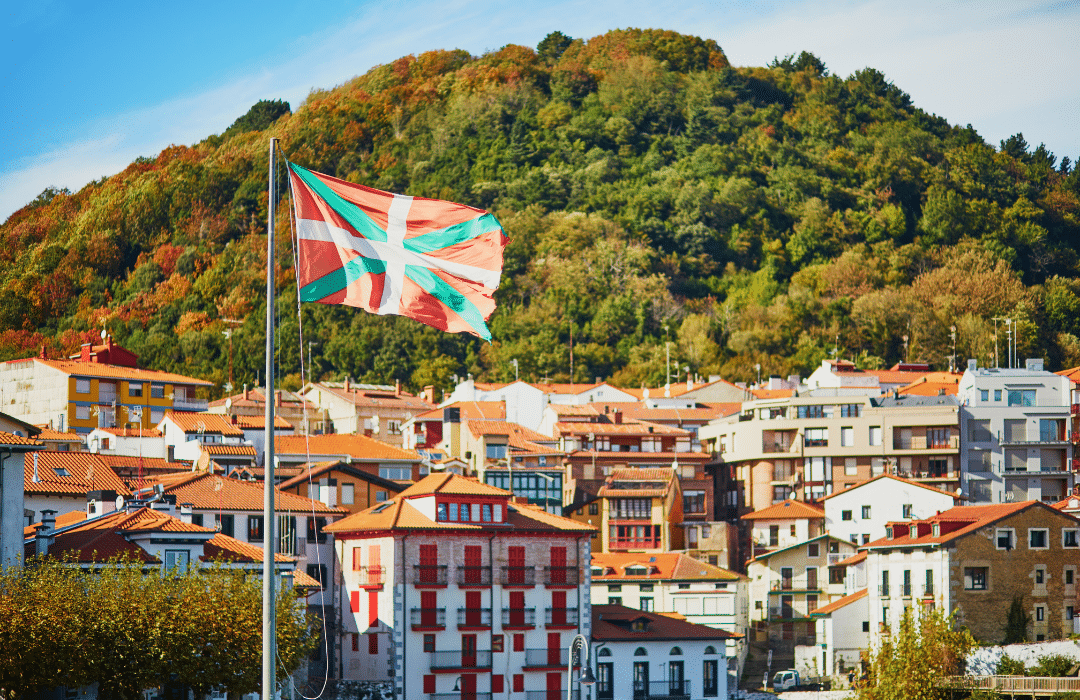
The Basque Country is part of what many travelers call “Green Spain.” That means rolling hills, forests, bright greenery, and a dramatic coastline — but also changeable weather. The region is not dry and predictable like parts of southern Spain. Here, the Atlantic shapes the day.
You may wake up to mist, enjoy sunshine by lunch, and see clouds return before dinner. That variety is part of the charm. It keeps the landscape fresh, the markets full and the country beautifully lush.
Temperature Averages by Month
Temperatures vary between the coast, the interior, and the mountains. San Sebastián, Bilbao, and other coastal areas are generally milder, while inland areas and the Pyrenees can feel colder in winter and warmer in summer.
| Month | Coastal Average | Inland Average | What to Expect |
|---|---|---|---|
| January | 46–54°F / 8–12°C | 37–48°F / 3–9°C | Cool, damp, good for food and museums |
| February | 46–55°F / 8–13°C | 39–50°F / 4–10°C | Similar to January, with some festive season energy |
| March | 50–59°F / 10–15°C | 43–55°F / 6–13°C | Early spring, fresh air, frequent showers |
| April | 52–62°F / 11–17°C | 45–59°F / 7–15°C | Flowers start to bloom, great for villages |
| May | 57–68°F / 14–20°C | 50–66°F / 10–19°C | One of the most pleasant months |
| June | 63–73°F / 17–23°C | 55–77°F / 13–25°C | Warm, bright, ideal for coast and hikes |
| July | 68–79°F / 20–26°C | 60–84°F / 16–29°C | Warm, lively, peak beach season |
| August | 68–80°F / 20–27°C | 60–86°F / 16–30°C | Festive, crowded, sometimes humid |
| September | 64–75°F / 18–24°C | 55–78°F / 13–26°C | A great time to visit, especially for food and wine |
| October | 57–68°F / 14–20°C | 48–66°F / 9–19°C | Autumn colours, calmer villages, harvest |
| November | 50–60°F / 10–16°C | 41–55°F / 5–13°C | Rainier, quieter, good for indoor plans |
| December | 46–55°F / 8–13°C | 37–50°F / 3–10°C | Cool, festive, cozy and gastronomic |
For packing, think layers. A light jacket is useful even in summer, while waterproof shoes and a rain shell are smart almost any time of year. The weather can change quickly, especially near the sea.
Managing the “Sirimiri” – How Often Does it Actually Rain?
The famous Basque drizzle, known locally as sirimiri, is usually fine and gentle rather than dramatic. It may not ruin the day, but it can make the pavement shine, soften the light, and remind you why this region looks so green.
Rain is more common from late fall through early spring, but showers can appear at any time. In the Basque Country, locals rarely cancel plans because of a gray sky. They adjust. A short walk, a museum, a market visit, or a pintxo crawl can turn a rainy afternoon into one of the most memorable parts of the trip.
For outdoor activities, check the forecast in the morning and stay flexible. It is often better to plan by half-day rather than locking every hour in advance.
Humidity and Coastal Breezes – Bilbao vs. San Sebastián
Both Bilbao and San Sebastián are influenced by the Atlantic, but they feel slightly different. San Sebastián sits right on the bay, so sea breezes are part of daily life. On warm days, that breeze can make the city feel fresher, especially along La Concha or Zurriola beach.
Bilbao is slightly more inland, surrounded by hills, and can feel more urban and humid in warmer weather. It is excellent for museums, architecture, markets, and food, while San Sebastián feels more immediately connected to the sea.
For travelers, the practical tip is simple: choose coastal walks, beaches, and viewpoints when the air is clear, and keep city museums, pintxos, and covered markets for wetter or more humid hours. This is how you travel like a local.
Exploring the Basque Country by Season
Winter (December – February)
Winter in the Basque Country is cool, damp, and atmospheric. On the coast, temperatures are usually moderate compared with northern Europe, but the air can feel chilly because of humidity and wind. Inland, the weather becomes colder, and the Pyrenees may bring snow, making it possible to ski in mountain areas.
This is not the best time to go if your dream is a beach vacation. But for gastronomy, it can be wonderful. Pintxo bars feel more local, restaurants are easier to book, and markets are full of seasonal products. It is also a good period for museums, cider houses, cozy cafés, and slow afternoons in the old quarters of Basque cities.
Winter is also a time for traditional Basque life. In January, San Sebastián’s Tamborrada fills the city with drums, uniforms, and a sense of pride that belongs deeply to the city.
Pack a warm jacket, waterproof layers, and shoes that can handle wet streets. Build indoor plans into your day, and do not overfill the schedule. Winter works best when you leave room for long lunches, spontaneous pintxos, and a glass of cider or txakoli.
Spring (March – May)
Spring is one of the best times to visit the Basque Country if you like fresh air, flowers, food, and quieter streets. Temperatures begin to pick up, hills turn bright green, and the countryside begins to bloom. March can still feel unstable, but April and May bring longer days and more chances to enjoy the outdoors.
This is a good season to hike coastal paths, visit villages, and explore fishing harbors before the main tourist season begins. Places such as Hondarribia, Getaria, Zarautz, Ainhoa, and Sare feel especially beautiful in spring, with whitewashed houses, red shutters, mountain views, and soft Atlantic light.
Spring is also rich in culture. Semana Santa brings religious processions and family traditions in many towns, while the Bayonne Ham Fair celebrates one of the region’s most famous food products across the border in France. It is a good reminder that Basque culture stretches naturally across both sides of the border.
Bring layers, a compact umbrella, and waterproof shoes. A morning may begin gray and turn bright by afternoon. For travelers who want beauty without the crowd, May may be the most balanced month of the year.
Summer (June – August)
Summer is the most energetic season in the Basque Country. The weather is warmer, the days are long, and the beaches come alive. This is the time to enjoy La Concha, Zurriola, Zarautz, Biarritz, and the wider coastline. It is also the season of open-air concerts, terraces, fireworks, street music, and late dinners.
June is often the sweet spot. It already feels like summer, but it is usually less crowded than July and August. July brings beach days, surf, and music festivals. August is the most intense month, with Semana Grande in San Sebastián, nightly fireworks over La Concha Bay, and a festive rhythm across many towns.
The downside is simple: more people. Hotels and lodging should be booked early, roads can be slow near the coast, and popular restaurants need reservations. If you are planning a private tour, it is wise to arrange it in advance, especially for food, wine, or coastal experiences.
Summer is a wonderful time to enjoy the region, but it rewards planning. Start early, avoid peak beach hours when possible, and keep one flexible day in your schedule. Even in summer, Atlantic weather can surprise you.
Fall (September – November)
Fall may be the most rewarding season in the Basque Country. September often keeps the warmth of summer but softens the pace. The sea is still pleasant, terraces remain lively, and the busiest travel weeks are over. For many travelers, this is the best time for food, culture, walking, and relaxed discovery.
October brings a different kind of beauty. The hills shift in colour, the countryside feels calmer, and the markets become richer with mushrooms, peppers, beans, apples, and other seasonal products. It is also a beautiful time to visit nearby Rioja, especially around harvest season, when vineyards turn gold and red.
Fall is excellent for hiking, village visits, and scenic drives. The light is softer, the air is comfortable, and places that feel crowded in August become easier to enjoy. The Espelette Pepper Festival in October is a lively celebration of one of the region’s most famous Basque ingredients, with red peppers hanging as natural decoration on village houses.
By November, the weather becomes wetter and cooler, but the region remains attractive for food-focused travel. If you want a quieter trip with strong local character, fall is hard to beat.
Seasonal Festivals & Events
Festivals are one of the best ways to understand the Basque Country. They are not just events for visitors; they are part of community life, identity, music, food, and public space.
Some are elegant and international, others are loud, joyful, and deeply rooted. Choose your dates well, and a festival can become the highlight of the whole trip.
January – Tamborrada (The Drum Festival)
Tamborrada takes place in San Sebastián every January 20. For 24 hours, the city fills with drums, uniforms, marches, and emotion. It is one of the strongest expressions of local identity, where adults and children celebrate the city together with rhythm, pride, and plenty of noise.
July – Jazz Festivals (Vitoria-Gasteiz & San Sebastián)
July is a wonderful month for music lovers. The jazz festivals in Vitoria-Gasteiz and San Sebastián bring international artists, concerts, and a sophisticated summer atmosphere. For culture seekers, it is a great excuse to combine music with pintxos, coastal walks, and a relaxed evening tour through the city.
August – Semana Grande in San Sebastián
Semana Grande, or Aste Nagusia, is one of the most exciting August celebrations in San Sebastián. For several days, the city fills with concerts, street events, music, food stalls, and a lively festive atmosphere around the bay.
The real highlight is the international fireworks competition over La Concha Bay. Watching the sky light up above the water, often with an ice cream in hand after dinner, is one of those summer moments that feels pure Donosti. Book accommodation early, as this is one of the busiest weeks of the year.
September – San Sebastián International Film Festival
The San Sebastián International Film Festival is one of the major cultural events in Spain. Held in September, it brings actors, directors, cinema lovers, and a polished international mood to the city. For travelers, it is a beautiful moment to enjoy culture, gastronomy, and late-summer coastal life.
Best Time to Visit by Interest / Activity
There is no single answer for every traveler. To find out the best times for your own trip, think first about what you want to do each day: eat, walk, surf, rest, explore villages, or join a private Basque tour.
That is why the Best Time to Visit the Basque Country changes depending on your travel style.
For Foodies – Pintxos, Michelin & Cider Season
For foodies, the Basque Country is one of the most exciting regions in Europe. You can enjoy pintxos, Michelin-starred dining, markets, cider houses, seafood grills, sheep’s cheese, and a good tapa-style bite almost any month of the year.
Spring and fall are especially good because restaurants are open, the city feels calmer, and seasonal products are at their best. Winter is also excellent for gastronomy, especially if you prefer cozy dining rooms and fewer visitors. September and October are ideal if you want to combine San Sebastián with wine country, cider, or a visit to Rioja.
For Surfers – Catching the Atlantic Waves
For surfers, the Basque coast offers conditions throughout the year, but the experience changes by season. Summer is better for beginners because the sea can be more approachable, surf schools are active, and the beach atmosphere is fun.
Fall and winter usually bring stronger Atlantic swells, which more experienced surfers often prefer. Zurriola in San Sebastián, Zarautz, Mundaka and spots on the French Basque coast are well known among surfers. Always check local conditions, respect flags and pick beaches that suit your level.
For Hikers – Pyrenees & Coastal Trails
The best time to hike in the Basque Country is usually May, June, September, and October. These months offer comfortable temperatures, green hills, clearer paths, and fewer extremes than high summer or deep winter.
Coastal trails near San Sebastián, Getaria, Zumaia, and the Flysch route are especially beautiful in spring and fall. Inland, the Pyrenees and rural valleys feel peaceful, with mountain villages, forests, and panoramic views. In July and August, start early to avoid heat and traffic near popular trailheads.
For Culture Seekers – Festivals & Local Events
Culture seekers can enjoy the region year-round, but summer and early fall have the richest calendar of Basque Country festivals. July brings jazz, August brings big city celebrations, and September brings cinema, heritage events, and a more elegant rhythm after the peak of summer.
Winter and spring offer a more intimate side of Basque culture. Tamborrada, Semana Santa, food fairs, village markets, and small-town traditions reveal a slower, more authentic rhythm. These off-peak months can be hugely rewarding for travellers who care as much about people as places.
Final Thoughts: So, When Should You Visit?
The best time to visit the Basque Country for the best weather, food, scenery and comfort is generally May, June, September or October. These months are warm enough for outdoor plans, calm enough for relaxed travel, and rich enough for culture, coastal walks, and beautiful meals.
Choose July or August if you want beaches, nightlife, festivals, and energy. Choose winter if your perfect trip means restaurants, markets, museums, and time indoors with a glass of cider. Choose spring or fall if you want to see the region at its most balanced and enjoyable.
In the end, the Basque Country is not a place to rush. Come with curiosity, leave space in the day, and let the weather, the food, and the local rhythm guide you.